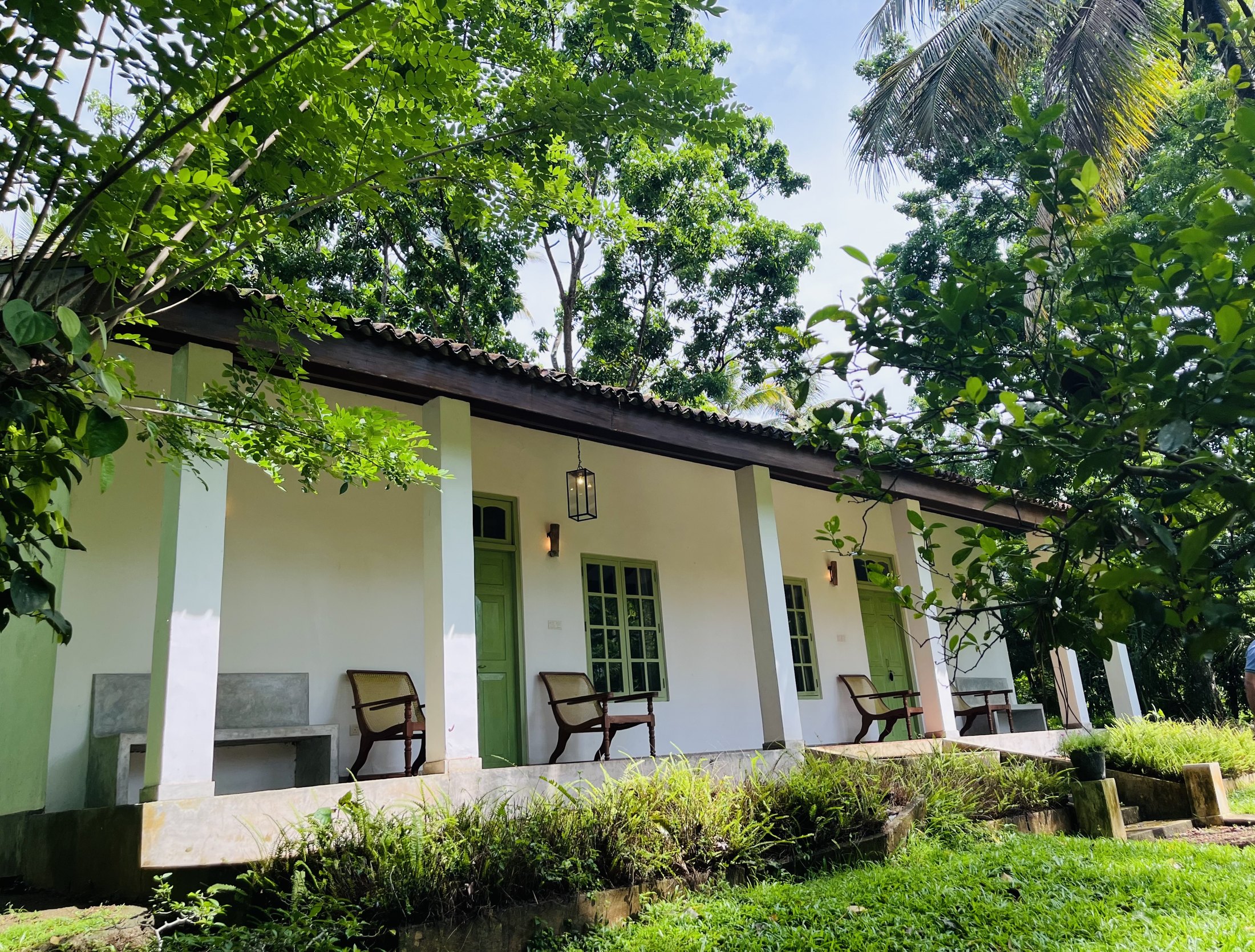
Preserve the Character. Build a Viable Hospitality Business.
The strongest heritage properties do not hide every irregularity or imitate a new hotel. They identify which features carry meaning, then design guest comfort, service and operations around them with restraint. That balance is exacting. Old structures may conceal moisture, ventilation, electrical, plumbing, access, acoustics or maintenance constraints. Room layouts resist standardisation. Additions can weaken the story. Yet romanticising inconvenience is equally damaging: heritage is not an excuse for poor sleep, unclear bathrooms, unreliable services or avoidable safety concerns.
Read the full detail
The strongest heritage properties do not hide every irregularity or imitate a new hotel. They identify which features carry meaning, then design guest comfort, service and operations around them with restraint.
That balance is exacting. Old structures may conceal moisture, ventilation, electrical, plumbing, access, acoustics or maintenance constraints. Room layouts resist standardisation. Additions can weaken the story. Yet romanticising inconvenience is equally damaging: heritage is not an excuse for poor sleep, unclear bathrooms, unreliable services or avoidable safety concerns.
Management must connect stewardship with real-world operation, so decisions about fabric, facilities, guest expectations, rates, maintenance and investment reinforce one another.
Where Is Your Heritage Property Today?
I Own a Family House or Estate with Hospitality Potential
Clarify the owner vision, viable use, privacy boundaries, investment priorities, operating model and route to market before the property loses character through piecemeal decisions.
I Operate a Heritage Hotel or Villa
Strengthen leadership, guest delivery, property care, people, commercial performance, controls and owner reporting while protecting the property’s identity.
The Property Has Character but Underperforms
Assess whether the constraint lies in product clarity, comfort, maintenance, positioning, rates, distribution, operating consistency, cost or guest evidence.
I Have an On-Site Team but Need Commercial Support
Retain local operations while Bliss Spaces supports positioning, pricing, reservations, digital distribution, direct demand, travel trade and performance reporting.
I Am Restoring or Converting a Historic Building
Connect conservation and design decisions with guest flow, back-of-house, services, systems, staffing, operating cost and commercial viability before opening.
I Need to Reposition Without Losing the Story
Define what should remain, what must improve and how change can be phased while protecting existing bookings, team knowledge and owner priorities.
A Heritage Operating Plan Built Around the Asset
Heritage hospitality needs standards, but not standardisation. The operating plan should respond to the building’s form, significance, capacity and limitations rather than forcing a conventional hotel template onto it.
Guest Comfort and Room Readiness
Beds, linen, ventilation, lighting, bathrooms, privacy, noise, storage, accessibility information, housekeeping and defect response appropriate to each room.
Historic Fabric and Preventive Care
Condition observation, moisture and pest awareness, cleaning methods, maintenance priorities, contractor controls, records and escalation to qualified conservation expertise.
Food, Service and Use of Space
Menus, service periods, kitchens, dining rooms, verandas, gardens and events planned around capacity, neighbours, fabric and the atmosphere of the property.
Utilities, Safety and Modern Systems
Power, water, drainage, fire readiness, communications, security, access, equipment and guest-facing technology integrated as discreetly and reliably as possible.
People, Knowledge and Service Culture
Roles, induction, local and family knowledge, storytelling boundaries, handovers, supervision and standards that feel personal rather than theatrical.
Controls, Asset Priorities and Owner Reporting
Revenue controls, purchasing, inventory, incidents, maintenance evidence, capital priorities and clear decisions across operations and stewardship.
Design the Guest Journey Around Discovery
Guests choose heritage properties partly to feel connected to a place and its past. The journey should reveal that character gradually, without turning the stay into a lecture or manufacturing stories the evidence cannot support.
Arrival and Orientation
Create a welcome that introduces the building, key spaces, practical information and any important boundaries with warmth and clarity.
Stories in the Right Places
Use people, objects, photographs, architecture, food, gardens and written interpretation selectively. Separate verified history, family recollection and local tradition where appropriate.
Modern Comfort Without Visual Noise
Make lighting, charging, connectivity, climate response, bathroom function and service access intuitive while minimising intrusion on the character of the property.
Departure and Continued Connection
Gather feedback on both atmosphere and function, close accounts accurately and maintain a relevant relationship for repeat stays, referrals and celebrations.
Conservation, Compliance and Specialist Responsibility
Hospitality management can coordinate priorities and protect operating discipline, but it should not substitute for conservation, engineering, fire, planning, legal or other regulated expertise. Responsibilities must be clear before work begins.
Understand Significance Before Intervention
Identify important fabric, spatial relationships, objects, landscape and recorded history before proposing changes.
Use Qualified Advice Where Required
Conservation architects, engineers, surveyors, licensed trades, fire specialists, planners and heritage authorities may be necessary depending on the property and jurisdiction.
Plan Reversible and Compatible Change
Where feasible, favour solutions that respect existing material, minimise irreversible damage and can be maintained by the operating team.
Keep Decisions and Condition Evidence
Record advice, approvals, works, materials, recurring defects and maintenance so future owners and teams understand what was done and why.
Commercial Strategy Rooted in the Property’s Real Story
Heritage may create distinction, but it does not automatically create demand or justify a premium. Commercial strength comes from matching the right guest with a coherent stay, and delivering the promised comfort, service and sense of place consistently.
Positioning Beyond “Old” or “Luxury”
Define the property through its architecture, history, setting, ownership, atmosphere, hospitality and relevant guest occasions.
Room and Product Architecture
Explain individual room differences, exclusive-use options, meals, experiences, event boundaries, accessibility and inclusions without flattening the property into standard categories.
Rates Based on Value and Reality
Consider room attributes, season, demand, booking pace, lead time, length of stay, operating cost, capacity and the evidence guests actually value.
Direct, Online and Travel-Trade Distribution
Choose channels according to audience, cost, storytelling ability, booking control and fit with private stays, leisure, groups, celebrations or specialist itineraries.
Content That Builds Confidence
Use accurate photography, plans where helpful, room-specific detail, history with evidence, location context and practical information to reduce surprises.
Performance with Asset Context
Review revenue, channel cost, guest evidence and operating margin alongside maintenance demand, room downtime and capital priorities.