HOSPITALITY ADVISORY

Hospitality and Hotel Management Consultancy

Hospitality decisions are interconnected. A room layout affects housekeeping. A concept affects staffing, pricing and distribution. A restaurant affects kitchens, service, purchasing and cost. A management model affects control, reporting and owner involvement. Decisions made separately can create an attractive property that is difficult to operate or sell.

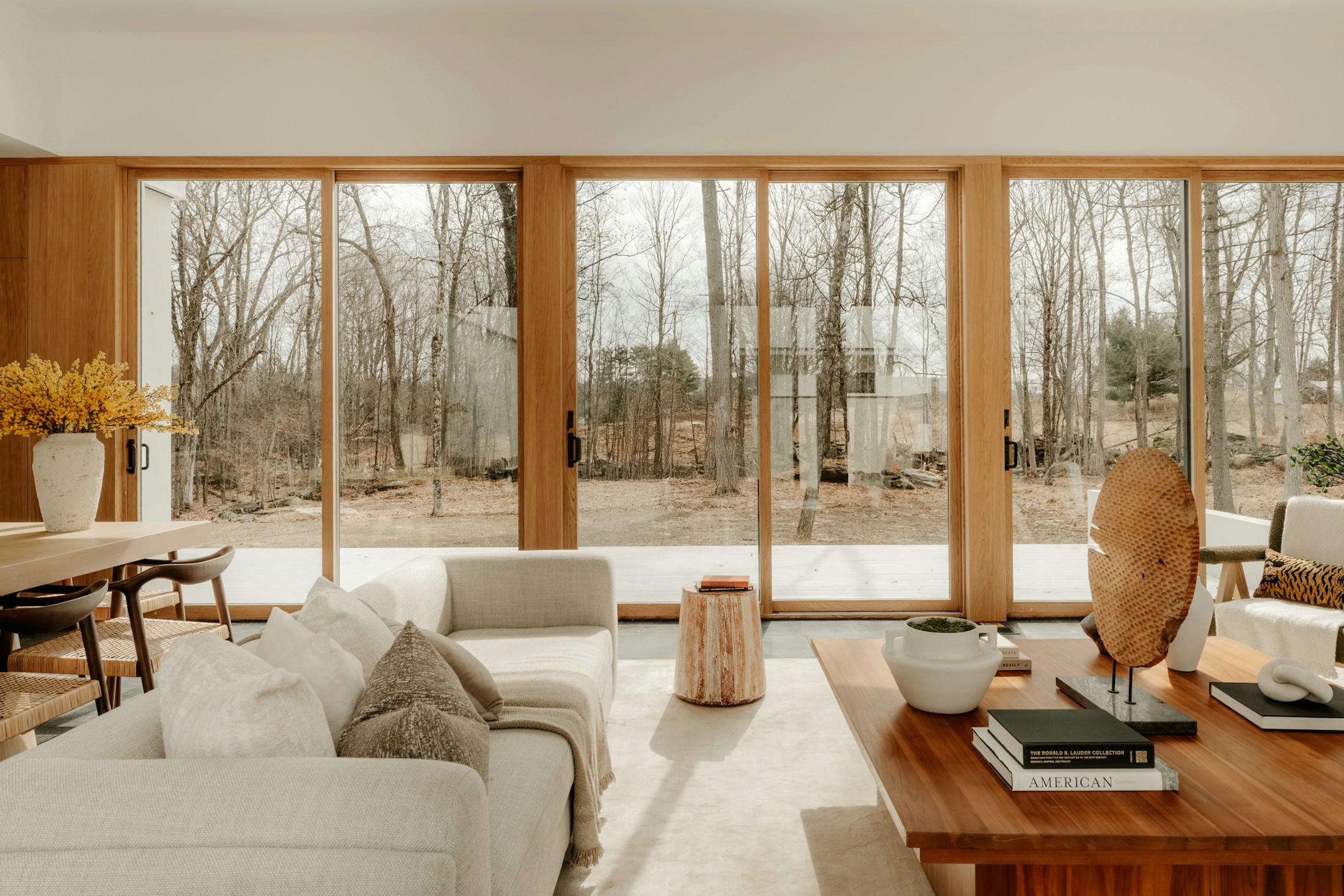
Illustrative stock photograph of a contemporary living room

Your Starting Point

Agree the question, evidence required and deliverables at the outset. An engagement may produce a feasibility assessment, concept review or prioritised improvement plan. Implementation and ongoing management are separately scoped.

Better Hospitality Decisions Before Expensive Commitments

The greatest advisory value often comes before the property commits to a building solution, service model, staffing structure, technology stack or market promise. At that stage, options remain open and misalignment can still be corrected without disrupting an operating business. Advisory is equally valuable for existing properties. Owners may have data but no integrated diagnosis, competing recommendations, unclear management accountability or a long list of improvements without a sequence. The task is to distinguish symptoms from causes and essential decisions from attractive distractions.

Read the full detail

The greatest advisory value often comes before the property commits to a building solution, service model, staffing structure, technology stack or market promise. At that stage, options remain open and misalignment can still be corrected without disrupting an operating business.

Advisory is equally valuable for existing properties. Owners may have data but no integrated diagnosis, competing recommendations, unclear management accountability or a long list of improvements without a sequence. The task is to distinguish symptoms from causes and essential decisions from attractive distractions.

A useful advisory engagement does not end with observations. It explains implications, responsibilities, dependencies, priority and the next decision.

Feasibility and Opportunity Assessment

Hospitality feasibility is broader than a spreadsheet projection. The property must have a credible relationship between market, guest, product, price, operating model, development requirement and owner objective.

Owner Objective and Decision

Clarify whether the owner is seeking income, asset activation, family use, brand development, capital growth, eventual sale, social impact or a combination, and which decision the assessment must support.

Location and Demand Context

Consider access, reasons to travel, seasonality, source markets, existing accommodation, planned supply and relevant demand generators.

Property and Product Potential

Review the site or building, accommodation capacity, guest flow, facilities, experiences, privacy, service potential and material constraints.

Market Position and Audience

Define who may choose the property, what alternatives they compare, what they value and where the proposed concept could be distinctive.

Operating and Commercial Implications

Test staffing, service level, food, systems, maintenance, distribution, pricing, sales and the complexity required to deliver the concept.

Critical Unknowns and Next Tests

Identify missing legal, planning, engineering, valuation, cost, market, environmental or other specialist evidence before a responsible decision can be made.

Concept, Positioning and Guest Journey

A hospitality concept should guide decisions across the property. It is not a theme, mood board or collection of amenities. It defines the guest, reason to choose, rhythm of the stay, level of service and operating consequences.

Concept Proposition

Translate the owner ambition and asset into a specific, credible hospitality idea.

Priority Guests and Occasions

Identify the audiences, travel reasons, group types, stay patterns and expectations the property can serve well.

Accommodation and Product Architecture

Shape room or unit types, occupancies, private and shared spaces, inclusions, meals, experiences, packages and exclusive-use possibilities.

Guest Journey

Map discovery, booking, preparation, arrival, orientation, stay, service recovery, departure and continued relationship.

Service and Operating Model

Align opening hours, staffing, food, housekeeping, facilities, activities, providers, technology and standards with the intended experience.

Positioning and Route to Market

Connect the proposition with price, content, direct demand, online channels, travel trade, partnerships and launch priorities.

Operational and Management Review

An operational review should explain why the property works as it does, not simply list missing procedures. Bliss Spaces examines the relationship between leadership, people, daily work, guest delivery, controls and owner information.

Organisation and Accountability

Roles, reporting lines, decision rights, handovers, meetings, supervision and owner-management interfaces.

Guest Delivery

Reservations, arrival, rooms, housekeeping, food, facilities, experiences, recovery and departure.

People and Capability

Staffing model, recruitment, induction, rosters, training, observation, coaching, performance and team communication.

Systems and Standards

Property, reservation, distribution, payment, finance, maintenance, guest and reporting systems; practical procedures and checklists.

Controls and Evidence

Revenue, cash, purchasing, stock, refunds, incidents, maintenance, provider access, approvals and management reporting.

Asset and Operating Priorities

Faults, preventive work, utilities, room downtime, compliance dependencies, guest-impact improvements and capital decisions.

Commercial and Financial Performance Review

A commercial review connects what the property sells with how it operates and what the owner retains. Occupancy alone cannot explain whether demand is healthy, rates are appropriate or the business is becoming stronger.

Product and Rate Architecture

Room relationships, occupancies, inclusions, packages, supplements, cancellation, minimum stays and upgrade logic.

Demand and Booking Evidence

Booking pace, lead time, channels, source markets, stay patterns, cancellations, enquiries, lost business and seasonality.

Distribution and Acquisition Cost

Direct, OTA, travel-trade, partnership and specialist channels assessed for reach, conversion, commission, discounts, payment cost and control. Revenue and Contribution Context Room and ancillary revenue, net channel contribution, delivery cost, capacity use and operational consequences. Sales, Marketing and Content Positioning, website, channel content, campaigns, enquiry handling, partner readiness and measurement quality.

More about this

Direct, OTA, travel-trade, partnership and specialist channels assessed for reach, conversion, commission, discounts, payment cost and control.

Revenue and Contribution Context

Room and ancillary revenue, net channel contribution, delivery cost, capacity use and operational consequences.

Sales, Marketing and Content

Positioning, website, channel content, campaigns, enquiry handling, partner readiness and measurement quality.

Owner Reporting and Decisions

Whether reports explain material changes, causes, required action, investment and responsibility rather than only presenting totals.

Repositioning and Turnaround Advisory

Repositioning should not begin with a new logo or renovation list. It begins with a clear diagnosis of why the current proposition and business system are not producing the intended result.

Define What Is Underperforming

Separate weak demand, low conversion, rate dilution, poor guest evidence, cost pressure, operational inconsistency, asset constraints and owner-model issues.

Identify What Should Be Protected

Retain distinctive property character, effective team knowledge, valued guest relationships, productive channels and investments that still support the future concept.

Test the Future Proposition

Clarify the guest, product, service, price, experience and route to market before committing to visible change.

Prioritise Stabilisation and Structural Work

Address urgent guest, control and revenue issues while planning deeper product, people, systems, commercial and asset change.

Sequence Investment and Implementation

Link each improvement to a guest, operating, commercial, compliance or asset reason; assign dependencies and approvals.

Define the Management Model

Determine whether owner implementation, an improvement programme, commercial management or complete management is the viable next step.

Development and Design Input from an Operating Perspective

Bliss Spaces can contribute hospitality operating insight to a development or conversion team. This input is not architectural or engineering design; it helps owners and appointed professionals understand how proposed decisions may affect guests, staff, service, revenue and daily operation.

Guest Flow and Arrival

Access, parking or transfers, luggage, reception, orientation, circulation, privacy and departure.

Room and Unit Function

Occupancy, beds, bathrooms, storage, housekeeping access, lighting, ventilation, noise, maintenance and room differentiation.

Public, Food and Experience Spaces

Capacity, service routes, kitchens, storage, waste, events, weather alternatives, guest movement and operating hours.

Back-of-House and Staff Needs

Receiving, stores, linen, housekeeping, offices, staff facilities, maintenance access, security and operational separation.

Systems and Infrastructure Interfaces

Power, water, wastewater, connectivity, safety, access control, payment, property technology and equipment locations requiring specialist coordination.

Commercial Use and Flexibility

Room mix, divisible or exclusive-use possibilities, group flow, event impact, seasonality and how spaces may earn or support value.

Management Model and Operator Readiness

The correct model depends on owner capability, desired involvement, property complexity, market, local leadership, investment, risk allocation and the economics of the asset. No model is automatically superior.

Owner-Operated

The owner retains daily leadership and may use advisory or selected specialist services to build capability.

Owner Team with Commercial Management

The property team manages on-site operations while a specialist partner leads pricing, reservations, distribution, sales and reporting.

Complete Management

One accountable manager leads the agreed operating and commercial scope within defined owner-reserved decisions and specialist boundaries.

Lease or Other Commercial Structure

A separate commercial operator may assume a different level of control and risk; legal, valuation, tax and financial advice is essential.

Transition or Replacement Management

The owner needs a structured transfer of bookings, systems, staff knowledge, controls, providers and authority.

Readiness Before Appointment

Asset condition, permissions, information, staffing, systems, budgets and owner decisions may require preparation before any operator can succeed.

From Advice to Implementation

Some owners need an independent recommendation only. Others need help turning the decision into operating reality. The scope should make that distinction clear.

Advisory Report and Owner Decision

Bliss Spaces delivers the agreed analysis, options, recommendation, assumptions, dependencies and action priorities for ownership to take forward.

Convert approved recommendations into workstreams, responsibilities, timing, budgets, specialist inputs, measures and decision gates.

Project Support

Coordinate agreed hospitality workstreams such as operating readiness, organisation, systems, standards, commercial setup or launch interfaces.

Selected Specialist Services

Provide defined brand, digital, revenue, distribution, people, systems, training or commercial support where appropriate.

Ongoing Commercial Management

Lead agreed pricing, reservations, distribution, sales, marketing and reporting while the owner or team retains operations.

Complete Management

Subject to property and market fit, transition from advisory into an integrated management relationship under a separate proposal and agreement.

Advisory Engagement Formats

Initial Review

A contained review of the question, current information, obvious gaps and the most appropriate next scope.

Focused Advisory Assignment

A defined workstream such as concept, commercial review, operating model, guest journey, management structure or pre-opening readiness.

Comprehensive Property Assessment

An integrated review of property, guest, market, operation, people, commercial performance, controls, asset priorities and owner objectives.

Owner Workshop

A structured decision session using agreed background information, options and outputs; suitable where alignment is as important as analysis.

Development or Pre-Opening Advisory

Ongoing hospitality input at agreed project stages, coordinated with the owner’s appointed professional and delivery teams.

Periodic review, decision support and accountability while an owner, operator or project team implements an approved plan.

Support by Market

Sri Lanka

Sri Lanka is the priority market for integrated hospitality advisory across independent villas, hotels, resorts, retreats, lodges, heritage properties and new or underperforming projects. Advisory can connect with local operating, commercial, pre-opening and management capability where appropriate.

Australia

Bliss Spaces can consider selected Australian Airbnb, short-term rental, regional and independent hospitality advisory projects, particularly concept, setup, commercial strategy, revenue, distribution and operating-model questions. Physical implementation depends on location and local delivery capability.

Other Markets

Selected advisory projects may be considered where the question, information, property, specialist team and delivery structure align with Bliss Spaces’ capability. Market, site and statutory work may require appropriately qualified local professionals.

A Clear Advisory Process

01. Define the Decision

Clarify the owner question, intended use of the advice, decision timing, stakeholders, available information and material constraints.

02. Agree Scope and Evidence

Document the workstreams, exclusions, information, site access, interviews, specialist dependencies, outputs, timing and fees.

03. Understand the Property in Context

Review the asset, owner objective, guest, market, operation, commercial position, team, systems and relevant project stage.

04. Test Options and Implications

Compare realistic choices across guest value, operating complexity, commercial potential, cost, responsibility, risk and required specialist input.

05. Recommend and Prioritise

Present the preferred direction, alternatives where relevant, assumptions, dependencies, decisions, responsibilities and phased action plan.

06. Support the Next Step

Hand over to ownership and appointed advisers, or agree a separate implementation, commercial or management scope where appropriate.

What Hospitality Advisory Does, and Does Not, Provide

Hospitality and Operating Perspective

Bliss Spaces advises on the relationship between guest, product, operation, people, commercial strategy, management and owner objectives within the agreed scope.

Assumptions and Evidence

Recommendations are limited by the information, access, timing and specialist evidence available. Material assumptions and unresolved questions should be stated.

No Substitute for Regulated or Specialist Advice

Bliss Spaces does not replace architects, engineers, quantity surveyors, valuers, planners, environmental specialists, fire and safety experts, lawyers, tax advisers, accountants, auditors, insurers, medical professionals or statutory authorities.

No Guarantee of Approval or Commercial Outcome

Advice cannot guarantee planning or regulatory approval, project cost, funding, valuation, occupancy, rate, revenue, profit, return, opening date or implementation result.

Conflicts and Implementation Transparency

If Bliss Spaces may later propose implementation or management services, that possibility should be disclosed and separately scoped so ownership can evaluate the recommendation and appointment clearly.

Frequently Asked Questions

What does a hotel management consultancy do?

It helps owners make hospitality operating and commercial decisions across concept, feasibility, guest journey, management model, performance, repositioning, readiness and implementation.

Can Bliss Spaces prepare a feasibility study?

Bliss Spaces can provide hospitality opportunity and operating analysis within an agreed scope. Formal valuation, construction cost, planning, legal, tax, engineering and finance work requires appropriate specialists.

Can you review an operating hotel or villa?

Yes. A review may examine product, guest evidence, operation, people, systems, controls, rates, distribution, costs, asset priorities and owner reporting.

Can you advise our architect or design team?

Bliss Spaces can provide hospitality operating and guest-experience input. The appointed architects, engineers and other professionals retain design and technical responsibility.

Will you recommend Bliss Spaces as the manager?

Only where complete or commercial management appears appropriate and Bliss Spaces has a viable delivery model. Any appointment would require a separate proposal and owner decision.

How long does an advisory project take?

Timing depends on the decision, property, information, site access, interviews, specialist dependencies and required outputs. It is agreed after the initial review.

How much does hospitality consultancy cost?

Fees depend on scope, complexity, property stage, information quality, site work, travel, workshops, specialist coordination, outputs and implementation support.

Do you guarantee the project or property will succeed?

No. Results depend on the asset, market, approvals, investment, professional inputs, ownership decisions, implementation, operation and guest response.

Make the Next Property Decision with Better Context

Tell us what decision you need to make, where the property is, what stage it has reached and what information is currently available. We will consider the question, evidence, specialist dependencies and owner priorities, then recommend an appropriate advisory scope, or explain when another professional should lead.

Let’s Create Better Outcomes
for Your Property.

Whether you need complete management, commercial support
or expert advice, Bliss Spaces is ready to help.

Discuss Your Property