HUMAN RESOURCES, PEOPLE, SYSTEMS & STANDARDS

Hotel Human Resources, Systems and Service Standards

Hospitality is delivered by people, but good people cannot succeed inside unclear roles, weak management routines or disconnected systems. Recruitment alone will not create consistent service. A property needs the right organisation, responsible employment processes, practical induction and training, clear standards, usable workflows, fair performance management and reliable controls.

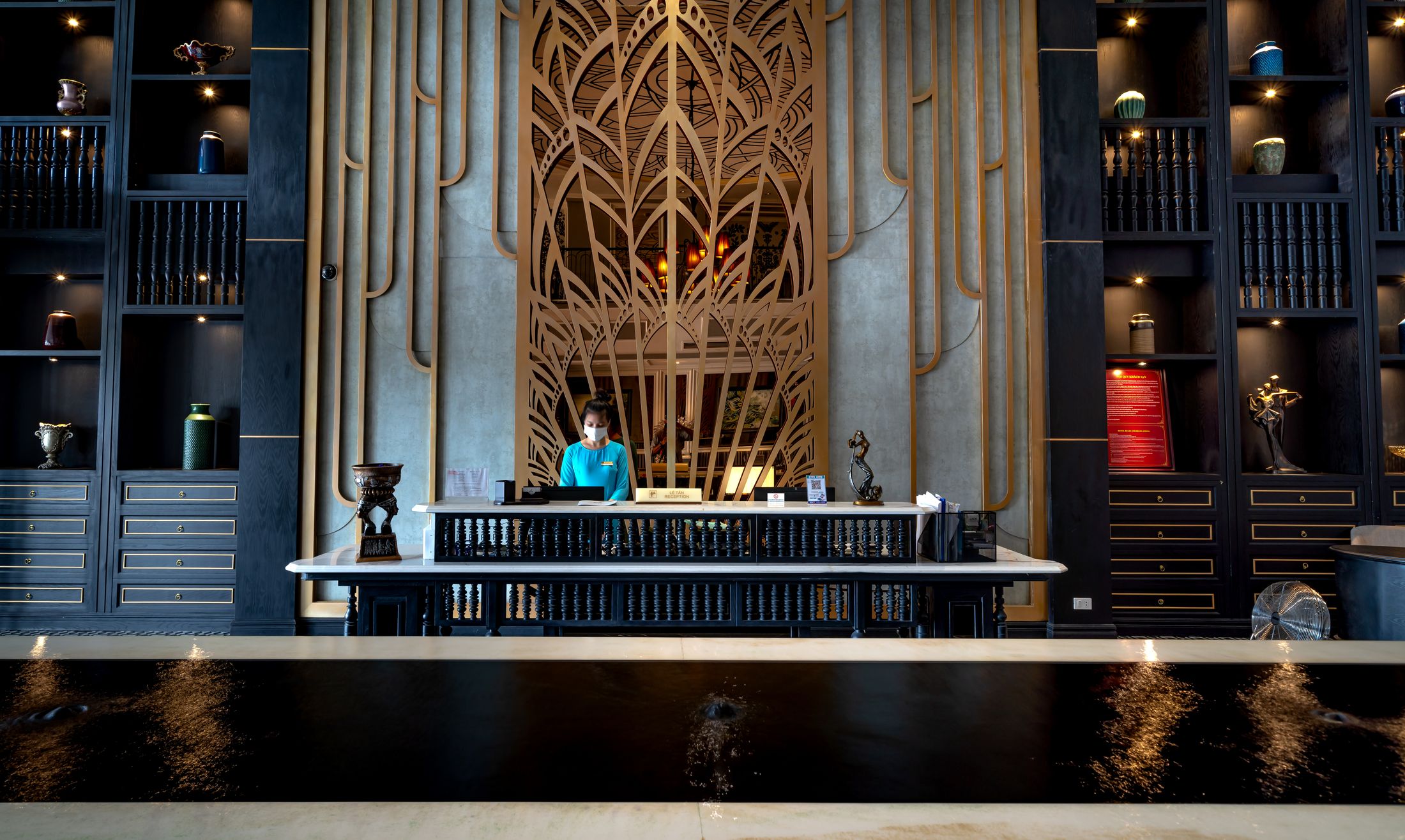
Illustrative stock photograph of a hotel reception

Your Starting Point

Agree practical outputs such as role descriptions, recruitment support, onboarding plans, training and standard operating procedures. The appointment also identifies the legal employer and decisions that remain with that employer.

Human Resources Must Connect with Daily Hospitality

Human resources is sometimes treated as administration separate from operations. In hospitality, the connection is immediate. A vague role affects handovers. A rushed appointment affects service recovery. A weak roster affects both labour cost and guest attention. Poor induction affects safety, privacy and brand delivery. Unclear performance management allows avoidable problems to become culture.

The objective is not bureaucracy. It is a practical people system that supports the property’s size, service promise, operating model, location and legal responsibilities while giving managers the structure to lead consistently.

Organisation and Workforce Planning

A hospitality organisation should be designed from the work and guest promise, not copied from a larger hotel or built around whoever happens to be available. The structure must clarify leadership, coverage, decision-making and the work that will be employed, contracted or supported externally.

Operating Model and Service Demand

Understand rooms, facilities, food, experiences, operating hours, seasonality, guest contact, after-hours responsibility and management complexity.

Organisation Structure

Define leadership, departments or work groups, reporting lines, spans of control, coordination points and owner-management interfaces.

Role and Accountability Design

Set purpose, outcomes, responsibilities, authority, relationships, essential capability, schedule expectations and evidence of performance.

Workforce and Roster Logic

Estimate coverage by occupancy, activity, service period, weekly patterns, leave, training, emergencies and realistic supervision needs.

Employment and Outsourcing Choices

Clarify which work is employee-led, contracted, casual, seasonal or provided by specialists, subject to applicable law and responsible procurement.

Workforce Cost and Capability

Consider wages, on-costs, recruitment, uniforms, meals, transport, accommodation, training, management time, turnover and the cost of capability gaps.

Recruitment and Selection

Recruitment should test whether a candidate can perform the real role and contribute to the service culture, not only whether the CV uses hospitality language. The process should be proportionate, respectful, documented and consistent with local employment requirements.

Role Brief and Candidate Proposition

Explain the work, standards, schedule, location, employment conditions, development opportunity and realities of the role accurately.

Sourcing Strategy

Select suitable local, industry, referral, education, professional and digital sources rather than relying on repeated general advertising.

Structured Screening

Use consistent essential criteria to assess experience, capability, communication, availability, work rights where relevant and material role conditions.

Practical Assessment

Where appropriate, observe realistic tasks, judgement, guest communication, problem-solving or technical skills without requesting unpaid productive work.

Interviews and Decision Evidence

Ask comparable role-related questions, record evidence, distinguish trainable gaps from essential requirements and avoid unsupported personal judgement.

References, Offer and Pre-Boarding

Complete appropriate checks, approve terms, communicate clearly, document the appointment and maintain engagement before the start date.

Induction and Onboarding

Onboarding is the bridge between appointment and dependable work. It should help a new team member understand the property, employment relationship, guest promise, role, systems, safety interfaces, conduct and where to seek help, without overwhelming them with documents on the first day.

Before Day One

Confirm documents, start details, uniform or equipment, transport or accommodation arrangements, manager contact, roster and required preparation.

Welcome and Employment Foundation

Explain the property, owner intent, employment terms, key policies, workplace expectations, communication routes and support available.

Property and Guest Orientation

Walk through spaces, services, guest types, local context, privacy, access, security, emergency interfaces and areas with specialist restrictions.

Role-Based Learning Plan

Sequence observation, instruction, guided practice, independent work, check-ins and capability sign-off for the actual role.

Systems and Access

Issue only the accounts, keys, devices, data and authority required; explain security, privacy, payment and escalation responsibilities.

Early Review and Support

Use planned first-day, first-week and early-stage conversations to correct uncertainty, recognise progress and identify missing support.

Hospitality Training and Capability Development

Training should improve observable work. It begins with the standard, explains why it matters, demonstrates the task, allows practice, confirms capability and gives supervisors a way to reinforce it during live operation.

Core Hospitality Behaviours

Professional communication, attentiveness, discretion, ownership, teamwork, cultural awareness and practical judgement appropriate to the property.

Reservations and Pre-Arrival

Enquiry handling, availability, quotations, booking detail, deposits, changes, preferences, privacy and handover to operations.

Arrival, Hosting and Departure

Preparation, welcome, registration, orientation, luggage, requests, billing, feedback, farewell and continuity of guest information.

Rooms, Housekeeping and Property Care

Room readiness, cleaning, linen, amenities, privacy, lost property, defect reporting, chemical and equipment interfaces and quality checks.

Food, Experiences and Other Services

Role-specific service, hygiene or safety interfaces, dietary communication, activity coordination, supplier handover and guest expectation management.

Service Recovery and Difficult Situations

Listen, clarify, take ownership, act within authority, escalate appropriately, communicate, document, follow up and learn.

Service Standards That Support Genuine Hospitality

A service standard should define the outcome, essential actions, authority and evidence while leaving room for human judgement. Overly rigid scripts can make service feel mechanical; vague values leave each person to invent the standard independently.

Promise and Outcome

State what the guest or internal customer should experience and why the standard matters to the property.

Essential Actions

Identify the minimum actions, sequence, timing, information and coordination required for dependable delivery.

Authority and Escalation

Clarify what the team member may decide, spend, amend or promise, and when a supervisor, owner or specialist must be involved.

Property-Specific Adaptation

Reflect the actual building, staffing, technology, geography, guest types, culture, service model and practical limitations.

Observation and Evidence

Define how supervisors know the standard is working through checks, guest feedback, system records, direct observation and operating results.

Improvement and Version Control

Record approved changes, communicate them, update linked procedures and retire superseded instructions.

Operating Procedures, Systems and Controls

Standard operating procedures should help people complete important work correctly and consistently. They should be concise enough to use, specific enough to guide action and connected with system access, control evidence and responsible management.

Reservations and Guest Information

Enquiries, bookings, confirmations, changes, cancellations, deposits, preferences, privacy, pre-arrival and operational handover.

Cash, Payments and Financial Interfaces

Authorisation, deposits, balances, refunds, cash, purchasing, receiving, expenses, reconciliation, access and escalation.

Rooms, Housekeeping and Maintenance

Room status, cleaning, inspection, linen, amenities, defect reporting, preventive work, downtime, access and return to inventory.

Food, Stock and Supplier Work

Ordering, receiving, storage, stock, wastage, dietary communication, provider access, service checks and specialist compliance interfaces.

Incidents and Business Continuity

Guest, staff, safety, security, privacy, payment, technology, utility and property events routed to the correct responsible person or authority.

Management Reporting and Control

Daily review, exceptions, approvals, handovers, operating evidence, owner reporting, action tracking and separation of duties where practical.

Leadership and Daily Management Routines

The quality of the employment experience and guest experience is shaped most strongly by daily management. Policies cannot compensate for leaders who do not brief, observe, decide, coach, follow through or communicate consistently.

Daily Briefing and Priorities

Bookings, arrivals, departures, guest needs, room status, staffing, property issues, service risks and responsibilities for the operating period.

Shift Handover

Transfer material guest, property, cash, safety, supplier and follow-up information without relying on memory or informal messaging alone.

Supervisor Observation

Check work in context, recognise correct performance, correct issues early and identify whether the cause is skill, clarity, resource, workload or management.

One-to-One and Team Conversations

Use regular, respectful conversations for expectations, feedback, support, development, ideas, wellbeing interfaces and accountability.

Action and Escalation Discipline

Record important actions, assign responsibility, set timing, follow through and escalate matters that exceed role authority.

Owner and Management Interface

Agree reserved decisions, reporting, approvals, priorities and communication so managers can lead without constant ambiguity or interference.

Performance, Development and Accountability

Performance management should create clarity and improvement before it becomes a formal corrective process. Team members need to know what good performance looks like, receive timely evidence-based feedback and understand what support and accountability follow. Clear Expectations Connect role outcomes, service standards, conduct, attendance, system use, teamwork and management responsibilities. Use observation, guest evidence, system records, quality checks, outcomes and documented incidents, interpreted fairly and in context.

Read the full detail

Performance management should create clarity and improvement before it becomes a formal corrective process. Team members need to know what good performance looks like, receive timely evidence-based feedback and understand what support and accountability follow.

Clear Expectations

Connect role outcomes, service standards, conduct, attendance, system use, teamwork and management responsibilities.

Use observation, guest evidence, system records, quality checks, outcomes and documented incidents, interpreted fairly and in context.

Regular Feedback

Recognise strengths, discuss gaps promptly, listen to contributing factors and agree specific next actions.

Development Planning

Prioritise the capability required for the role and property, with realistic learning, practice, support and review.

Recognition and Progression

Acknowledge contribution consistently and establish credible opportunities where the organisation can genuinely support them.

Corrective and Formal Processes

Where necessary, follow applicable law, employment terms and approved procedures, with qualified HR or legal advice for material matters.

Culture, Conduct and a Respectful Workplace

Culture is the repeated experience of how decisions are made, people are treated and standards are upheld. It is shaped by owners and managers through recruitment, rosters, workload, communication, fairness, recognition, responses to mistakes and willingness to address harmful behaviour.

Values in Observable Practice

Translate broad values into examples of leadership, teamwork, guest treatment, honesty, inclusion, care of property and responsible decision-making.

Respect and Professional Conduct

Set clear expectations for communication, harassment, discrimination, bullying, privacy, conflicts, substances, social media and appropriate workplace relationships.

Speaking Up and Escalation

Provide understandable routes for questions, concerns, complaints, incidents and protected matters, with confidentiality and non-retaliation handled according to law and policy.

Workload, Rosters and Wellbeing Interfaces

Plan work responsibly, monitor fatigue and pressure, provide breaks and leave within applicable requirements, and escalate health or safety matters to qualified support.

Fairness and Consistency

Apply expectations and processes consistently while considering individual circumstances, evidence, role responsibility and legal obligations.

Leadership Example

Require owners and managers to follow the standards they expect from the team, including communication, privacy, approvals and respectful conduct.

Human Resources Records and Information Governance

Employment Documentation

Maintain approved contracts or letters, role descriptions, policy acknowledgements, required declarations and changes with suitable access control.

Recruitment and Candidate Information

Collect only relevant information, communicate appropriately, restrict access, retain or dispose according to applicable requirements and avoid informal circulation.

Training and Capability Records

Record learning assigned, practice completed, capability confirmed, refreshers required and material limitations without treating attendance alone as competence.

Rosters, Attendance and Leave

Use reliable records and approved processes aligned with employment obligations, payroll interfaces and operational planning.

Performance and Incident Information

Document factually, distinguish observation from opinion, protect confidentiality and involve qualified advisers for sensitive or material matters.

System Access and Departures

Approve, review and remove access to HR, property, guest, payment and communication systems as roles change or employment ends.

Engagement Options

Human Resources and People Review

Assess organisation, roles, employment processes, recruitment, onboarding, leadership, capability, performance, records and priority risks.

Organisation and Role Design

Develop the workforce model, structure, accountability, role profiles, decision rights and owner-management interfaces.

Recruitment and Opening-Team Support

Prepare roles, sourcing, assessment, selection, pre-boarding, induction and early capability plans within the agreed scope.

Training and Service Standards Programme

Build property-specific standards, learning modules, supervisor tools, practice, assessment and reinforcement routines.

SOP and Operating-System Development

Create or improve practical procedures, checklists, authority, controls, records and management routines.

Ongoing People and Systems Support

Provide defined review, training, documentation, management coaching or improvement support, without replacing the employer’s legal responsibilities.

Support by Market

Sri Lanka

Sri Lanka is the priority market for integrated hospitality human resources, training, systems and standards support across suitable independent villas, hotels, resorts, retreats, nature lodges, glamping properties and heritage stays. Work can connect with pre-opening, commercial and complete-management services where appropriate.

Australia

Bliss Spaces can consider selected Australian Airbnb, holiday-home, regional and independent-hospitality assignments focused on organisation, role clarity, operating procedures, service standards, property systems and management routines. Employment-law, award, payroll, workplace-relations and regulated matters require appropriately qualified Australian advice.

Other Markets

Selected assignments may be considered where the property, owner, management team and local professional support align with Bliss Spaces’ capability. Employment, immigration, payroll, tax, privacy, health and safety requirements are jurisdiction-specific and may require qualified local advisers.

A Clear Working Process

01. Understand the Property and Employer Context

Review the operating model, owner priorities, organisation, workforce, service promise, current systems, evidence and immediate people risks.

02. Agree Scope and Professional Boundaries

Document workstreams, information, confidentiality, access, interviews, exclusions, qualified-adviser dependencies, outputs, timing and fees.

03. Diagnose the Work System

Examine how roles, capability, leadership, procedures, technology, workload, controls and culture affect guest delivery and employee experience.

04. Design Practical Improvements

Develop proportionate structures, role tools, standards, workflows, learning, management routines and implementation priorities.

05. Implement, Train and Support

Introduce approved changes, prepare responsible managers, provide practice and tools, address uncertainty and maintain evidence of progress.

06. Review and Embed

Observe real work, assess guest and operating evidence, correct weak adoption, update materials and establish ongoing ownership.

What This Service Does, and Does Not, Provide

Hospitality Human Resources and Operating Perspective

Bliss Spaces supports organisation, role design, recruitment processes, onboarding, training, performance routines, service standards, operating procedures and management systems within the agreed scope.

The Owner Remains the Employer

The employing entity retains responsibility for employment decisions, contracts, wages, benefits, payroll, taxes, work rights, workplace safety, statutory records, consultation, discipline, termination and all other employer obligations.

No Substitute for Employment-Law or Specialist Advice

Bliss Spaces does not provide legal representation or replace qualified employment lawyers, workplace-relations advisers, payroll specialists, tax advisers, immigration professionals, health and safety specialists, medical professionals, counsellors, insurers or statutory authorities.

Information and Confidentiality Depend on Proper Governance

Sensitive employee, candidate, guest, incident and business information requires approved access, secure systems, responsible use and retention appropriate to the jurisdiction and purpose.

No Guarantee of Recruitment, Retention or Performance

People outcomes depend on the employer, leadership, labour market, employment conditions, workload, culture, property readiness, management follow-through and individual circumstances.

Frequently Asked Questions

Why include “Human Resources” in the page name?

Because it makes the service immediately understandable to owners searching for practical support with organisation, recruitment, onboarding, training, performance and employment processes. “People” remains important but is broader and less explicit.

Can Bliss Spaces act as our hotel HR department?

A defined hospitality HR support scope may be possible, but the owner or employing entity remains the employer and retains all legal and statutory responsibilities. Local qualified advice may be required.

Can you recruit hotel or villa staff for us?

Bliss Spaces can support role design, sourcing, screening, assessment, interviews, references, selection process and onboarding within an agreed market and scope. Appointments remain the employer’s decision.

Do you create hotel SOPs and service standards?

Yes. We develop property-specific procedures and standards connected with real roles, systems, authority, evidence and management routines, not generic manuals copied from another hotel.

Can you train an existing team?

Yes. Training can address guest service, reservations, housekeeping, hosting, supervisory practice, service recovery, systems and agreed property standards after an initial capability and operating review.

Can you manage poor performance or disciplinary matters?

Bliss Spaces may support managers with role clarity, evidence, feedback and approved performance routines. Formal or material employment matters require the employer to follow applicable law and obtain qualified advice where appropriate.

Is this only for large hotels?

No. The structure should be proportionate. A villa or small lodge may need clearer multi-skilled roles, owner-manager interfaces and simple operating routines rather than departments or heavy documentation.

How is this different from complete management?

This service builds or improves the people and operating platform. Complete management places agreed daily operating and commercial accountability with Bliss Spaces under a separate management appointment.

Build a Team and Operating System That Can Deliver

Tell us about the property, its location, team size, operating model and the people or systems challenge you need to address. We will review the immediate priorities and professional dependencies, then recommend an appropriate starting scope.

Let’s Create Better Outcomes
for Your Property.

Whether you need complete management, commercial support
or expert advice, Bliss Spaces is ready to help.

Discuss Your Property