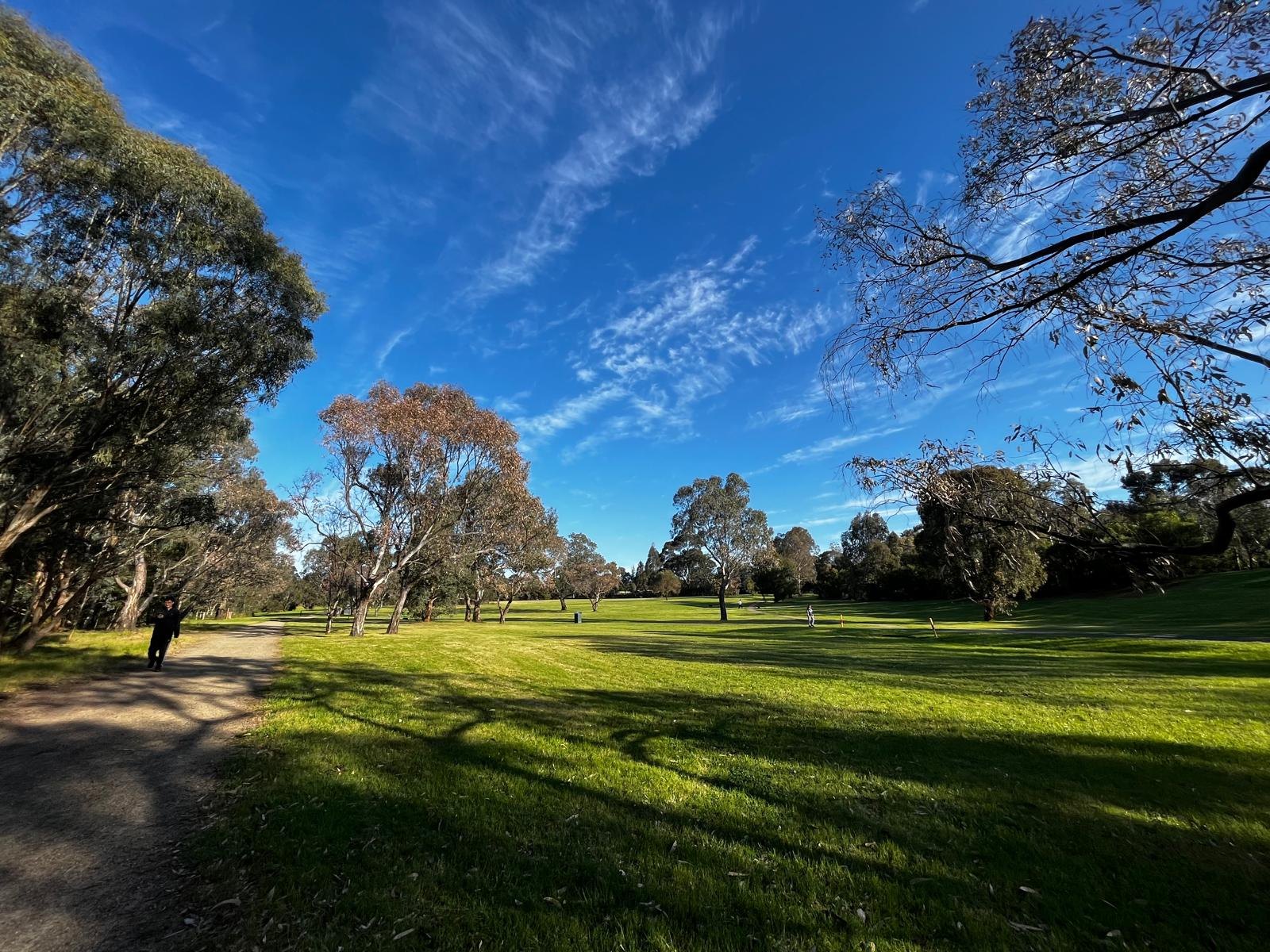
Hospitality Rooted in Place and Purpose
A farm, vineyard, plantation or rural estate may operate first as a productive property, a family home or both. A unique stay may instead be defined by wilderness, architecture, remoteness, cultural character or an experience-led concept. In every case, hospitality must be integrated without weakening safety, privacy, environmental limits or the purpose of the wider property. The opportunity is powerful when the relationship is clear.
Read the full detail
A farm, vineyard, plantation or rural estate may operate first as a productive property, a family home or both. A unique stay may instead be defined by wilderness, architecture, remoteness, cultural character or an experience-led concept. In every case, hospitality must be integrated without weakening safety, privacy, environmental limits or the purpose of the wider property.
The opportunity is powerful when the relationship is clear. Guests should understand where they are, why the stay is different, which experiences are genuinely available and how the accommodation connects with the surrounding land, people, culture or activity. Credibility comes from substance and thoughtful access, not from calling an ordinary property “unique.”
Management must align accommodation, access, seasons, activities, food, privacy, staffing and commercial performance with the property’s defining purpose and practical limits.
A Property Can Belong to More Than One Pathway
Ahaspokuna Bush Walks Camp is a useful cross-category example. Its primary home remains Nature Lodges & Glamping because it is a wilderness glamping operation; it may also be discovered here as a Unique Stay because the remote setting, guided bush-walking focus and experience-led format genuinely distinguish the stay.
Where Is Your Farm, Vineyard or Unique Stay Today?
I Have a Working Property with Accommodation Potential
Test the guest proposition, viable use, privacy, access, infrastructure, investment, operating model and market before informal additions create long-term constraints.
I Operate an Existing Farm or Vineyard Stay
Strengthen accommodation, guest communication, team delivery, property interfaces, commercial performance, controls and owner reporting.
The Setting Is Strong but Results Are Uneven
Assess whether the constraint lies in product clarity, seasonality, rates, distribution, length of stay, comfort, operating consistency or guest evidence.
I Have an On-Site Team but Need Commercial Support
Retain local operations while Bliss Spaces supports positioning, pricing, reservations, digital distribution, direct demand, travel trade and reporting.
I Am Creating a Distinctive Hospitality Project
Connect the defining concept, accommodation, guest flow, experiences, back-of-house, staffing, systems, compliance and route to market before launch.
I Operate a Unique Stay That Is Difficult to Explain or Sell
Clarify what is genuinely distinctive, identify the right audience and convert the idea into a stay that is understandable, bookable, safe and consistently deliverable.
I Need to Reposition or Add a New Revenue Stream
Evaluate accommodation, experiences, dining, events or exclusive-use potential without confusing the core brand or overloading the operation.
Connect Hospitality with the Property Around It
Guests experience the whole setting, even when the accommodation is only one part of a larger enterprise or distinctive concept. The hospitality plan should define every interface rather than assuming the surrounding environment will organise itself.
Access, Arrival and Wayfinding
Directions, road conditions, gates, parking, luggage, check-in, lighting, after-hours arrival and separation from working traffic or machinery.
Accommodation and Guest Comfort
Room readiness, housekeeping, water, climate response, insects, noise, privacy, occupied-stay support, maintenance and realistic comfort standards.
Food, Wine and Produce Interfaces
Breakfasts, tastings, hampers, dining, licensed service, dietary communication, sourcing, stock and clear responsibility between hospitality and production teams.
Experiences and Working-Property Boundaries
Tours, harvest or farm activities, animal contact, trails, tastings and demonstrations defined by season, supervision, capacity and safe access.
Grounds, Utilities and Property Care
Water, wastewater, power, communications, fire readiness, paths, fences, gardens, accommodation assets and priorities that affect guests.
People, Controls and Owner Reporting
Roles, rosters, family and enterprise interfaces, training, handovers, revenue controls, incidents, asset priorities and informed owner decisions.
Design a Distinctive Guest Journey Worth Travelling For
Farm, vineyard, wilderness and other distinctive stays often require more travel, explanation and planning than conventional accommodation. The journey must justify that effort before arrival, then make the setting and concept feel rewarding rather than inconvenient or confusing.
Discovery and Reason to Travel
Clarify the setting, accommodation, produce or purpose, experiences, season and specific reason to choose this property over a conventional stay.
Preparation and Arrival
Provide accurate directions, check-in timing, road and weather notes, meal arrangements, packing guidance and contact details.
The Rhythm of the Stay
Balance property experiences, food and wine, local exploration and unstructured time without manufacturing a timetable for every guest.
Seasonality as Part of the Story
Explain what changes across harvest, flowering, weather, produce and working cycles without guaranteeing conditions or access.
Departure and Continued Connection
Close accounts accurately, gather useful feedback and maintain a relevant relationship for repeat seasons, referrals, produce or future stays where appropriate.
Working Property, Safety and Specialist Responsibility
Hospitality management can coordinate guest-facing boundaries, but farming, viticulture, winemaking, food production, animal handling, machinery, transport, fire, events and regulated activities require their own qualified people, systems and compliance.
Separate Guest and Operational Zones
Define where guests may go, when access is permitted, how routes cross and which areas remain private or work-only.
Make Supervision and Responsibility Clear
Document who delivers tours, tastings, animal experiences, transport, trails, events or food-and-wine activities, and who may stop an activity.
Use Qualified and Licensed Expertise
Agricultural, viticultural, animal, food, alcohol, event, transport, building, fire, environmental and statutory responsibilities remain with appropriate specialists and authorities.
Communicate Conditions Without Alarm
Explain uneven ground, weather, water, animals, machinery, fire risk, limited services and emergency arrangements in practical language.
Keep Incident and Maintenance Evidence
Use workable checks, records, escalation routes and review proportionate to the accommodation and guest activities.
Commercial Strategy for Distinctive Demand
Distinctive accommodation must translate its difference into clear value. Distance, seasonality, unfamiliar formats and competition from conventional hotels or homes can make an unusual property harder, not easier, to sell. Strong commercial management combines the stay, setting and appropriate experiences without making the offer complicated to understand or buy.
Positioning with a Specific Reason to Stay
Define the property through the elements that are genuinely distinctive: landscape, produce, architecture, hosts, wilderness, experiences, privacy, food or connection to the wider region.
Rate and Inclusion Architecture
Make room or cottage categories, exclusive use, breakfasts, tastings, activities, minimum stays, event restrictions and supplements clear.
Weekday, Weekend and Seasonal Demand
Price and package around booking pace, regional events, harvest or production cycles, weather, holidays, group demand and operational capacity.
Direct, Online and Partner Distribution
Choose channels according to audience, cost, storytelling ability, booking control and fit with food, wine, touring, weddings, retreats or regional itineraries.
Longer Stays and Wider Destination Value
Connect guests with credible nearby dining, producers, walks, towns, culture and experiences so the property becomes a meaningful base, not merely a one-night novelty.
Performance Beyond Occupancy
Review accommodation revenue, ancillary contribution, channel cost, delivery cost, capacity use, cancellations, guest evidence and pressure on the working property.