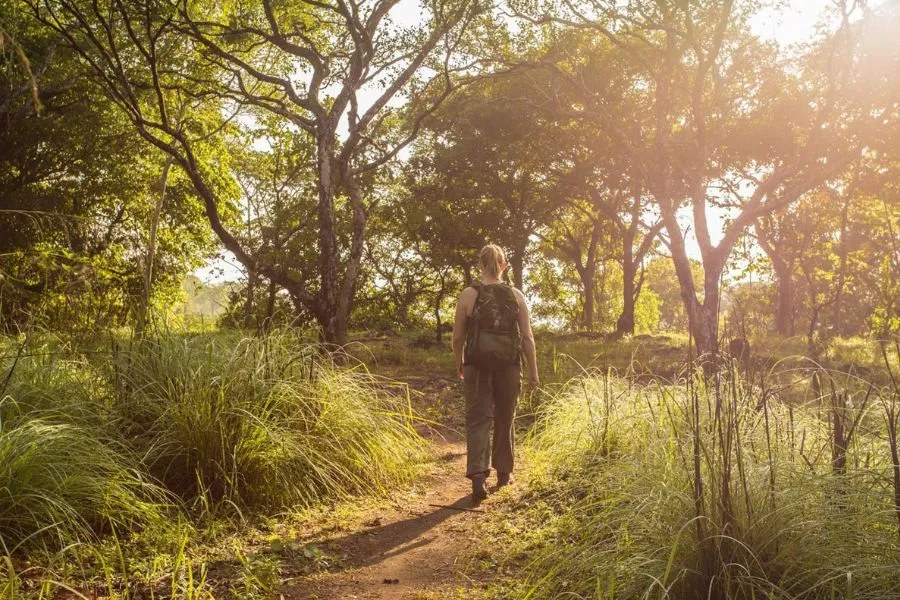
Responsible Hospitality Is Part of the Operating Model
The Eco Team Group’s roots in nature-based and experiential tourism have made environmental and community consequences impossible to treat as abstract. Bliss Spaces carries that perspective into villas, hotels, retreats, lodges and short-stay properties, without pretending that every measure or certification suits every asset.
Energy, Carbon and Climate
Start with how energy is used, where waste occurs and which improvements are operationally and financially realistic. Efficient equipment, controls, renewable options and staff practices should be assessed with measurable boundaries. Carbon-neutral or net-zero claims must never be made without a defined methodology and supporting records.
Water Stewardship
Monitor consumption, identify leaks, improve laundry and housekeeping practices, consider efficient fixtures and manage pools, gardens and guest communication according to local water conditions.
Waste and Single-Use Materials
Reduce unnecessary purchasing and packaging before relying on recycling. Refillable guest water, bulk amenities, careful food planning, segregation and verified disposal routes should be adapted to the property and local waste infrastructure.
Responsible Purchasing and Local Value
Buying decisions affect cost, quality, resilience and community benefit. Bliss Spaces encourages suitable local food, products, crafts, services and employment while maintaining hygiene, consistency, ethical sourcing and commercial controls.
Nature, Wildlife and Experience Integrity
Properties and experiences should avoid wildlife disturbance, exploitative encounters, habitat damage and staged community interaction. Nature-based claims require careful operating rules, guide standards and guest education.
People, Community and Fair Opportunity
Responsible hospitality includes safe work, fair recruitment, learning, respectful workplaces, local opportunity, accessible leadership and honest relationships with neighbouring communities and suppliers.
From Intention to Evidence
Establish a realistic baseline before claiming improvement
Prioritise material issues rather than decorative gestures
Assign responsibility and budget
Train teams and build practices into daily routines
Measure what can be measured consistently
Keep invoices, meter data, supplier records and certification evidence
Report progress and limitations honestly